Five rubbish removal myths that could cost you money
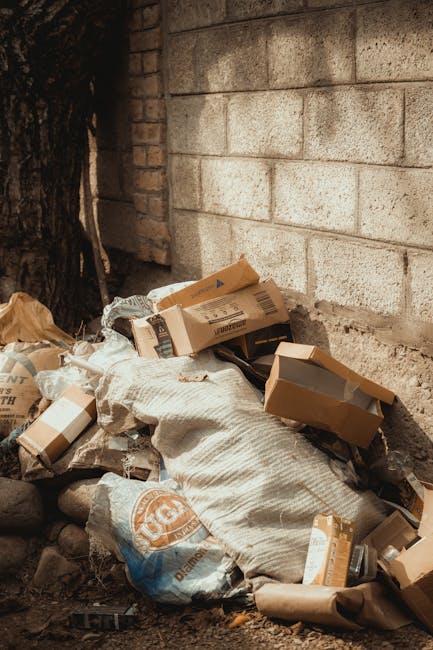
If you have ever stared at a pile of old furniture, broken appliances, or builder's rubble and thought, "surely there's a cheaper way to deal with this," you are not alone. The trouble is, a few common rubbish removal myths can quietly push up the final bill, cause delays, or leave you paying twice. In this guide to Five rubbish removal myths that could cost you money, we'll unpack the claims people often hear, what is actually true in day-to-day UK waste handling, and how to make smarter choices without overpaying.
Truth be told, rubbish removal sounds straightforward until it isn't. One wrong assumption about council collections, skip alternatives, item types, or recycling can turn a tidy clear-out into a messy expense. Let's get the myths out of the way.
- Why these myths matter
- How rubbish removal really works
- Key benefits of getting it right
- Who this is for
- Step-by-step guidance
- Expert tips
- Common mistakes to avoid
- Tools, resources and recommendations
- Law, compliance, standards and best practice
- Options and comparison
- Real-world example
- Practical checklist
- Conclusion
- Frequently asked questions
Why Five rubbish removal myths that could cost you money Matters
Rubbish removal is one of those jobs that looks simple from the outside. Bag the waste, take it away, job done. But in practice, the cost depends on a lot of small decisions: what you are getting rid of, how quickly you need it gone, whether it can be reused or recycled, and whether the waste is classed as bulky household rubbish, builder's waste, or something more specialist.
That is where myths become expensive. A myth can make you under-estimate the amount of waste, choose the wrong service, skip a necessary fee, or assume the council will always collect everything for free. Then there are the hidden costs: return visits, missed collections, access issues, parking problems, extra labour, and the awkward surprise of being told that an item needs specialist handling after all.
We see this especially with house moves, flat clearances, garden clear-outs, and those "I'll sort it at the weekend" jobs that somehow become a full-scale operation. A few misunderstood details can make a straightforward job noticeably dearer. And nobody enjoys paying extra because of a rumour that sounded plausible over a cuppa.
Expert summary: the cheapest rubbish removal is rarely the one that looks cheapest at first glance. It is the one where the waste type, access, volume, and disposal route are clear from the start.
How Five rubbish removal myths that could cost you money Works
Before tackling the myths, it helps to understand how rubbish removal pricing and planning usually work in the real world. Most services are based on some mix of volume, weight, labour, access, and the type of waste being collected. In other words, the job is priced around the effort and disposal requirements, not just the sight of "a lot of stuff."
What usually affects the cost
- Volume: how much space your waste takes up in a van or load.
- Weight: especially relevant for heavier materials like soil, rubble, or dense builder's waste.
- Waste type: general household waste, bulky items, garden waste, white goods, or specialist items all behave differently.
- Access: stairs, tight hallways, long carries, parking restrictions, and loading time can all matter.
- Sorting needs: if items have to be separated before disposal, that can affect labour and processing.
This is why two clearances that look similar from the kerb can end up very different in cost. A sofa from a ground-floor flat with easy parking is one thing. A sofa, wardrobe, and broken desk from a fourth-floor walk-up on a busy London street is another. Same "amount of stuff" in a casual sense, not the same job at all.
It also explains why a reputable provider will usually ask questions before giving a quote. If they do not, that may feel convenient, but it often means the estimate is only a guess. And guesses have a habit of becoming extras later on.
For readers comparing service types, pages like rubbish removal, rubbish clearance, and waste removal can help you understand the difference between general clearance and item-specific collections.
Key Benefits and Practical Advantages
Getting beyond the myths does more than save money on one job. It helps you choose the right service, avoid unnecessary disruption, and reduce the chance of awkward follow-up charges. That matters whether you are clearing a flat, handling a renovation, or just trying to reclaim a garage that has quietly turned into a storage cave.
- Better budgeting: you can compare quotes on the same basis instead of comparing apples with oranges.
- Fewer surprises: you know which items may need special handling before collection day.
- Faster completion: if the team knows the access and waste type, the job usually runs more smoothly.
- Less waste: good sorting and recycling can reduce what ends up being treated as mixed rubbish.
- Lower stress: less back-and-forth, less uncertainty, fewer "we'll need to come back" moments.
There is also a practical upside that people overlook: clarity helps you decide whether a council service, a private collection, or a specialist item disposal route is the best fit. Sometimes the council is perfectly suitable. Sometimes it is not. Knowing the difference saves time and, in some cases, a fair bit of money.
Who This Is For and When It Makes Sense
This guide is for anyone who is about to throw away more than a couple of bin bags and does not want to get caught by avoidable costs. That includes homeowners, tenants, landlords, letting agents, tradespeople, shop owners, office managers, and anyone doing a major declutter.
You will probably find it especially useful if you are dealing with:
- bulky household rubbish
- furniture disposal after a move
- garden waste after landscaping
- builder's waste from renovations
- white goods or broken appliances
- full or partial property clearances
If you are in London, the stakes can be a bit sharper because access, parking, and collection timing often matter more than people expect. A job that seems simple in a driveway-friendly suburb can become trickier in a terraced street with narrow bays and a busy high road. Bit of a nuisance, honestly.
For larger or more complex jobs, browsing related options such as house clearance, home clearance, or flat clearance may be more relevant than a generic collection.
Step-by-Step Guidance
Here is a practical way to approach rubbish removal without falling for the usual myths. Keep it simple and you will usually save money.
- List everything you want removed. Be specific. "Old stuff from the spare room" is not enough. Write down sofas, mattresses, wardrobes, bags, rubble, garden cuttings, and anything else that may change the price or disposal route.
- Separate general waste from specialist items. White goods, fridges, mattresses, and large furniture can have different handling needs. A fridge, for example, may need a dedicated route rather than a standard mixed load.
- Check access before getting a quote. Note stairs, lifts, parking restrictions, distance from the property to the vehicle, and any loading issues. This is one of the most common reasons a quote changes later.
- Compare service types, not just prices. A council large-item collection, a bulky waste pickup, and a private same-day removal are different services. The cheapest headline price is not always the best value.
- Ask what is included. Labour, lifting, loading, disposal, and recycling should be clear. If it is vague, ask again. A good provider will not mind.
- Book the right size of service. Too small, and you may pay for a second trip. Too large, and you may overpay for unused capacity.
- Keep the area ready. If items are difficult to reach, the team spends longer on site. Tidying the route first can genuinely reduce hassle.
A small example: a customer thinks they have "just a few bits" in the loft. Then the boxes come down and there is an old desk, a broken exercise bike, two mattresses, and six bags of mixed clutter. That is not a complaint, by the way. It happens all the time. It just means the right quote depends on the real pile, not the imagined one.
Expert Tips for Better Results
The following tips help you avoid the money-draining myths and make better decisions from the start.
Tip 1: Treat "free" collections carefully
Some council services can be cost-effective, but they are often limited in what they take, how quickly they can collect, and how many items qualify. If your waste is bulky, mixed, or time-sensitive, "free" can end up being slow rather than truly free if you have to take time off work or arrange extra handling.
Tip 2: Separate reusable items where possible
If a sofa, wardrobe, or table is still usable, keeping it separate from general rubbish can help with reuse, donation, or recycling pathways. Even when a provider cannot guarantee reuse, a cleaner sort often makes the whole process easier.
Tip 3: Be honest about heavy waste
Rubble, soil, and dense materials are where underquoting happens most often. They may look like a small pile, but they are deceptively heavy. If you have builders' waste, say so early. It sounds obvious. Still, people forget.
Tip 4: Ask about item-specific pricing
Some items, such as mattresses, fridges, or large white goods, may be priced separately because they require different disposal routes. A clear item list helps you compare like for like.
Tip 5: Keep the job tidy before collection
Loose bags, hidden items, and awkwardly stacked waste slow everything down. If you can bundle similar items together, the crew can usually work more efficiently. Not glamorous, but effective.
Tip 6: Look beyond the headline rate
A low initial quote may not include disposal, labour, or access complications. A transparent provider will explain these properly. If they do not, you may be buying uncertainty.
Small but useful reminder: the smoothest rubbish removal jobs are usually the ones where the customer has spent ten minutes preparing and asking the awkward questions up front. Ten minutes can save a lot more than ten quid.
Common Mistakes to Avoid
Here are the biggest mistakes people make when they believe rubbish removal myths. They are common enough that most crews have seen them many times.
- Assuming all waste is treated the same. It is not. Household rubbish, furniture, garden waste, and builder's waste are handled differently.
- Not mentioning heavy or awkward items. This leads to pricing disputes or revised quotes on the day.
- Forgetting about access. Parking permits, narrow stairwells, and long carries can all affect the job.
- Leaving items unsorted. Mixed waste can be harder to manage and may cost more.
- Assuming council services will collect everything. They often have size, type, and booking limitations.
- Choosing only on price. Cheap can become expensive if the service does not fit the job.
One particularly annoying mistake is not checking whether the collection point is actually reachable. You would be surprised how often a blocked driveway, locked gate, or resident parking issue turns a quick collection into a long morning. No one loves that kind of surprise.
Tools, Resources and Recommendations
You do not need specialist equipment for most clear-outs, but a few simple tools make the process easier and reduce the chance of extra labour time.
Useful practical tools
- Phone camera: take clear photos of the waste from a few angles before requesting a quote.
- Rough measuring tape: helpful for doors, hallways, and larger items like wardrobes or sofas.
- Boxes or bags: useful for grouping smaller items so they are easier to move.
- Marker pen or labels: helps separate keep, donate, recycle, and remove piles.
- Access notes: jot down parking restrictions, floor level, and lift availability.
Recommended planning approach
Start with the heaviest and most awkward items. Those are the pieces most likely to affect quote accuracy. Then move to the lighter clutter. If you are unsure whether a collection needs a specialist route, make a note of the item and ask before booking. That simple habit prevents plenty of back-and-forth.
If your job involves specialist furniture or appliance disposal, these related pages may help you narrow the right service: furniture removal, mattress disposal, sofa removal, and white goods recycle.
Law, Compliance, Standards, or Best Practice
When rubbish removal is involved, best practice matters. Waste should be handled by a properly organised route, and householders or businesses should be careful about who takes it away and where it ends up. If a collection is being carried out by a contractor, you want confidence that the waste is being managed responsibly and not dumped somewhere it should not be. Fly-tipping is the classic headache nobody wants attached to their name.
In the UK, waste handling expectations are shaped by general duties around responsible disposal, accurate descriptions of waste, and safe handling. The exact rules depend on the waste type and the setting, so it is wise to avoid broad assumptions. For example, commercial waste, bulky domestic waste, and specialist items may not be treated the same way. If a provider is transparent about its processes, safety approach, and disposal standards, that is a good sign.
Best practice also means being clear about safety on site. Heavy lifting, sharp edges, broken glass, damp items, and restricted access all increase risk. That is why reputable providers typically explain how they handle lifting and transport, and why you should not hide hazards in the pile "to keep things simple." It rarely stays simple.
For readers who value service standards, the site also includes pages on health and safety policy, insurance and safety, and recycling and sustainability, which can be useful when comparing providers.
Options, Methods, or Comparison Table
Different waste removal options suit different jobs. The right choice depends on speed, waste type, access, and budget. Here is a simple comparison to help separate the usual choices.
| Option | Best for | Main advantage | Possible drawback |
|---|---|---|---|
| Council large-item or bulky waste collection | Single items or small approved loads | Often cost-effective for simple jobs | May be slower and more limited on item types |
| Private rubbish removal | Mixed household waste, urgent clear-outs, awkward access | Flexible, quicker, labour included | Can cost more than basic council collection |
| Specialist item disposal | Fridges, mattresses, white goods, large furniture | Better suited to item-specific handling | Not all items qualify for standard collection |
| Full property clearance | House moves, bereavement clearances, major declutters | Handles large volumes efficiently | Needs more planning and clear instructions |
There is no universal winner. A council service may be ideal for one sofa and a chair. A private clearance is probably better for a mix of furniture, boxes, and heavy bags from a top-floor flat. Pick the method that matches the real job, not the myth in your head.
Case Study or Real-World Example
Here is a realistic example based on a common type of enquiry. A couple clearing a rental flat in London assumed they only needed a standard rubbish collection for "some furniture and a few bags." On inspection, the load included a sofa, two mattresses, a wardrobe, a fridge, and several bags of general clutter. The flat was on an upper floor, parking was tight, and the fridge needed specialist handling.
If they had gone with the first cheap quote based only on "a few bits," they would likely have faced a revised price or an extra visit. Instead, once the items were listed properly, the job could be planned more accurately. The result was not just fewer surprises. It was less time spent waiting around with the hallway full of furniture and that slightly stale end-of-tenancy smell drifting about. Not exactly the way anyone wants to spend a Tuesday.
The lesson is simple: accurate information at the start tends to reduce cost later. Not always, but often enough to matter.
Practical Checklist
Use this quick checklist before you book rubbish removal. It is short for a reason. If you can tick these off, you are already ahead of most people.
- List every item that needs removing.
- Identify anything heavy, fragile, or specialist.
- Check whether items are reusable, recyclable, or mixed waste.
- Note floor level, parking, stairs, gates, and access restrictions.
- Measure large items if they need to pass through narrow spaces.
- Ask what is included in the quote.
- Confirm whether labour, loading, and disposal are part of the price.
- Check whether the service is suitable for council, private, or specialist collection.
- Photograph the waste pile before booking.
- Prepare a clear path for the crew on collection day.
Quick sanity check: if you cannot describe the waste clearly in one or two sentences, the quote probably needs more detail too.
Conclusion
The biggest money-saving move in rubbish removal is not hunting for the cheapest headline price. It is avoiding the myths that create hidden costs in the first place. Once you understand what affects pricing, which items need specialist handling, and why access matters, you can choose the right service with far more confidence.
The five myths that cost people most are usually some variation of "everything is free," "all rubbish is the same," "the smallest quote is the best quote," "the council will take anything," and "extra details do not matter." In reality, the details are the whole game. Get those right and the job tends to be smoother, quicker, and far less stressful.
That's the good news, really. A little clarity now can save a lot of bother later.
Get a free quote today and see how much you can save.
If you are planning a bigger clear-out, it may also help to review related options such as bulk waste collection, bulky waste collection, or waste clearance so you can match the service to the job properly.
Frequently Asked Questions
What are the most common rubbish removal myths?
The most common myths are that all rubbish is treated the same, council collections can take everything, the cheapest quote is always best, and small jobs never need careful planning. In practice, waste type, access, and collection method all affect the final cost.
Why do rubbish removal quotes change after inspection?
Quotes change when the actual waste pile is different from the description. Heavy items, extra bags, poor access, or specialist waste can all alter the amount of labour or disposal needed. That is why photos help so much.
Is council rubbish collection always cheaper?
Not always. Council services can be very cost-effective for certain items, but they may have limits on quantity, item type, booking time, and collection dates. If you need speed or have mixed waste, a private service may be better value overall.
What items usually cost more to remove?
Items that are heavy, bulky, awkward to carry, or need specialist disposal often cost more. Fridges, mattresses, white goods, large wardrobes, and builder's rubble are common examples.
How can I avoid hidden rubbish removal fees?
Give a full item list, share photos, mention access issues, and ask exactly what the quote includes. Check whether labour, loading, and disposal are part of the price. If anything feels vague, ask again before booking.
Do I need to sort waste before collection?
It helps, yes. Sorting reusable, recyclable, and general waste can make the job quicker and sometimes cheaper. You do not always need perfect sorting, but a cleaner, clearer pile is usually easier to handle.
What is the difference between rubbish removal and waste clearance?
In everyday use, the terms overlap a lot. Rubbish removal often suggests a collection of unwanted items, while waste clearance can sound broader and may cover more complete property or site clear-outs. The right service depends on the actual job.
Can rubbish removal include furniture and appliances?
Yes, it often can. Furniture, sofas, mattresses, and appliances are commonly collected, but some items may need specialist handling or separate pricing. It is best to list them specifically when requesting a quote.
How do I know if I need a specialist service?
If the waste includes large volumes, heavy materials, white goods, or items that are awkward to move, a specialist or item-specific service may be better. If in doubt, explain the load in detail and ask what route fits best.
What should I do before the collection team arrives?
Clear a safe path, separate the items to be removed, and make sure access is available. If parking or entry is controlled, sort that out in advance. A few minutes of prep can save a lot of hassle.
Is it risky to use a service that looks unusually cheap?
It can be. A very low price may mean exclusions, extra charges, or an incomplete understanding of the job. Cheap is only good value when it actually covers the waste you need removed.
What if I only have a small amount of rubbish?
Small loads can still benefit from planning, especially if the items are heavy or hard to move. It is worth checking whether a council collection, a grouped load, or a standard clearance is the better fit.