Health and Safety Policy for Bed Disposal and Mattress Handling
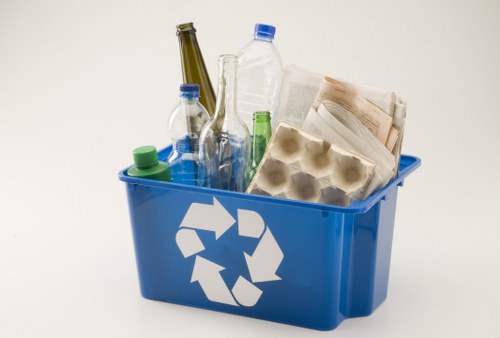 This Health and Safety Policy outlines the safe approach to bed disposal, mattress disposal, and associated bed removal activities across our operations. The purpose is to protect staff, contractors, clients, and the environment by setting clear responsibilities, risk controls, and procedural standards for the collection, transport, storage, dismantling and final disposal or recycling of beds and mattresses.
The scope of this policy covers all bed waste management workstreams, including residential, institutional and commercial mattress and bedframe handling. It applies to anyone involved in the process: employees, temporary workers, subcontractors and authorized third-party collectors. Key principles include risk assessment, training, personal protective equipment (PPE), manual handling controls, and secure storage until final treatment.
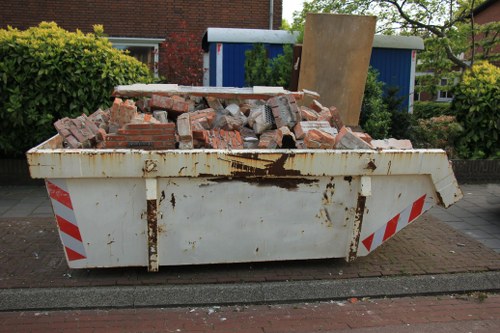 Risk assessment is mandatory before commencing any bed removal or mattress disposal activity. Each job requires a documented evaluation of hazards such as sharp objects, biological contamination (mold, body fluids, pests), heavy lifting risks, fire hazards from foam components and possible chemical residues. Control measures will be implemented according to the hierarchy of controls: elimination, substitution, engineering controls, administrative controls and PPE.
Manual handling precautions are central to safe bed removal. Teams must use mechanical aids where possible (trolleys, lifting straps, hoists) and two-person lifts for items above recommended weight thresholds. Training in safe lifting techniques and the use of handling equipment is compulsory. Supervisors shall ensure that tasks are planned to reduce awkward postures and repetitive lifting.
![A vast, open landfill site with a large accumulation of mixed municipal waste extending across the foreground and middle ground. The waste includes plastic bags, cartons, broken household items, cloth, and other refuse, creating a heterogeneous landscape with varying textures such as crumpled plastic, shredded paper, and crushed materials. In the background, there is a partially constructed or abandoned building structure with exposed beams, situated against a cloudy sky. The scene is outdoors, with uneven piles of rubbish covering the ground, indicative of a large-scale waste disposal or rubbish removal site, consistent with operations conducted by companies like Bed Disposal in the UK. The environment appears polluted, with waste materials scattered loosely without containment, highlighting the importance of proper rubbish collection and management services in local areas like [POSTCODE] or [TOWN].](/pub/_photos/rubbish/f1483161600.jpg) Personal protective equipment requirements include, at minimum, gloves, protective footwear, eye protection where splashes are possible and high-visibility clothing during roadside or communal area operations. Additional PPE (respiratory protection, disposable coveralls) will be provided when there is a risk of exposure to biological contaminants or dust from deteriorated mattresses.
Personal protective equipment requirements include, at minimum, gloves, protective footwear, eye protection where splashes are possible and high-visibility clothing during roadside or communal area operations. Additional PPE (respiratory protection, disposable coveralls) will be provided when there is a risk of exposure to biological contaminants or dust from deteriorated mattresses.
Storage and segregation of beds and mattresses must prevent cross-contamination and reduce fire risk. Items suspected of contamination or significant infestations should be double-bagged and labeled. Storage areas must be dry, ventilated and away from ignition sources. Temporary holding areas should have clear signage and restricted access to reduce accidental handling by unauthorized persons.
Transportation controls for mattress and bed waste include secure loading practices, covering loads where required and ensuring vehicles have appropriate containment to avoid drop or spread of contaminants en route. Drivers and crew must be trained in safe loading and unloading procedures and in how to complete journey records and waste transfer documentation where applicable.
 Emergency procedures are established for incidents such as spillage of contaminated material, injury during handling, discovery of hazardous substances or fire. Response plans include first aid arrangements, containment and isolation of affected areas, and notification of a designated safety coordinator. All incidents must be reported, investigated and corrective actions implemented.
![An image displays three large wheeled rubbish bins positioned side by side in an outdoor setting, with the bins aligned on a concrete surface in front of a building with metal siding. The bins are coloured distinctly: the left bin is bright yellow, made of plastic with a textured surface, featuring a smooth lid area with a black handle and a wheel at the base on the left. The middle bin is blue, also plastic, with a similar textured surface, a black handle on its lid, and wheels at its base. The right bin is green, matching the others in plastic material and texture, with a black handle on the lid and wheels supporting its base. The tops of the bins are semi-circular with hinges on one side, and there are slight variations in design details, including latch mechanisms on the blue and green bins. The background includes a building with grey metal cladding, likely part of a warehouse or commercial property, and the overall environment appears clean and organized, indicative of a professional rubbish disposal service, such as Bed Disposal, operating within the local area near [POSTCODE] or [TOWN] in the UK, with the bins intended for waste collection or disposal purposes related to rubbish management services.](/pub/_photos/rubbish/f1296820432.jpg) Training and competence form a core element of this policy. Induction training covers risk awareness, PPE usage, manual handling and equipment operation. Ongoing refresher training, toolbox talks and competency assessments ensure that staff remain capable of performing safe bed removal and mattress disposal tasks. Records of training, health surveillance (where relevant) and equipment maintenance must be retained.
Training and competence form a core element of this policy. Induction training covers risk awareness, PPE usage, manual handling and equipment operation. Ongoing refresher training, toolbox talks and competency assessments ensure that staff remain capable of performing safe bed removal and mattress disposal tasks. Records of training, health surveillance (where relevant) and equipment maintenance must be retained.
Procedures and Controls
Operational controls are documented in standard operating procedures (SOPs) that describe step-by-step actions for common activities. SOPs include:
- Pre-job risk checks and site access verification
- Safe handling and dismantling of bedframes and mattresses
- PPE specification and contamination control
- Transport and secure storage practices
- Waste segregation for reuse, recycling, energy recovery or disposal
Roles and Responsibilities
Senior management will ensure resources are allocated to implement this bed waste safety policy and that adequate training, equipment and monitoring are in place. Supervisors must ensure compliance during mattress collection and disposal tasks, while individual workers are responsible for following safe systems of work and reporting hazards.
Contractors engaged for mattress collection or bed recycling must demonstrate competency and comply with the policy and specified controls. A clear chain of custody for removed beds should be maintained to support environmental management and health safeguards.
Monitoring, auditing and continuous improvement will be performed to evaluate the effectiveness of controls for mattress removal and bed disposal. Regular reviews will incorporate lessons learned from incidents, industry developments and technological changes that can reduce risk and increase recycling rates.
Environmental and Waste Management Considerations
Wherever possible, emphasis will be placed on recovery options such as reuse, component recycling (metal, wood, foam) and energy recovery rather than landfill disposal. Procedures will aim to minimize contamination, control pests and ensure safe handling of materials destined for recycling facilities.
This policy is intended to ensure that mattress disposal and bed removal operations are carried out with the highest regard for health and safety. Compliance, training and proactive risk management will protect people and the environment while allowing efficient, responsible bed waste management.
All personnel are expected to read, understand and apply this policy in their daily work. Management will support the workforce with the necessary resources and oversight to maintain safe and compliant bed disposal operations.