Bed Disposal: Recycling and Sustainability Commitment
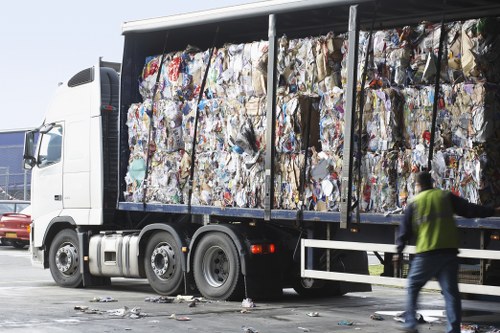 At Bed Disposal we believe that responsible mattress recycling and furniture disposal are central to a low???waste future. Our sustainability policy sets a clear target: to divert 85% of all collected beds and mattresses from landfill by 2030. This recycling percentage target reflects a staged roadmap ??? incremental annual increases in reuse, material recovery and repair ??? and aligns with borough-level environmental ambitions. We work with local authorities' borough approaches to waste separation so that materials can be sorted efficiently at source.
Our mattress disposal and bed removal teams follow strict handling procedures to ensure safe transfer to authorised processing points. We prioritise reuse of intact frames and mattresses, specialist recycling of foam, springs and timber elements, and separation of recyclable metals and textiles. Where possible, mattresses are inspected and rehomed or stripped for component recovery. Strong partnerships with licensed mattress recyclers help us maximise value recovery while minimising residual waste.
![A person standing on a paved pathway in a garden or residential outdoor space, pushing a metal wheelbarrow filled with soil and organic debris. The wheelbarrow has a rust-colored metal basin and black rubber tires. The individual is wearing blue jeans and dark shoes. Surrounding the pathway are lush green bushes on the left, and a well-maintained lawn on the right. In the background, there are blurred elements of a garden or outdoor setting, with sunlight casting a warm glow. This scene exemplifies waste clearance or garden debris removal, consistent with rubbish removal services offered by Bed Disposal in the local area, possibly near [POSTCODE].](/pub/_photos/rubbish/f1399940528.jpg) Community-driven bed recycling is at the heart of what we do. We support boroughs that operate multi-stream collection schemes ??? where residents separate dry mixed recycling, textiles and bulky waste ??? by tailoring our removal services to those systems. Our teams provide clear on-site sorting, so nothing recyclable is overlooked. We also collaborate with local transfer stations to enable continuous, efficient routing of recovered materials into established processing streams.
Community-driven bed recycling is at the heart of what we do. We support boroughs that operate multi-stream collection schemes ??? where residents separate dry mixed recycling, textiles and bulky waste ??? by tailoring our removal services to those systems. Our teams provide clear on-site sorting, so nothing recyclable is overlooked. We also collaborate with local transfer stations to enable continuous, efficient routing of recovered materials into established processing streams.
Local transfer stations are essential nodes in our circular model. Bed Disposal uses a network of municipal and independent transfer hubs to reduce haulage distances and emissions, and to keep materials within local circular economies. By consolidating loads at these stations we improve sorting accuracy for foam, coir, wood and metal fractions and send smaller, cleaner batches to specialist recyclers and reprocessors.
Partnerships with charities and reuse organisations form a major pillar of our reuse strategy. Where items are safe and serviceable, we coordinate with community groups, homeless shelters and social enterprises to place beds and mattresses in homes that need them. These collaborations not only extend product life but also support social value outcomes. Our charity partners receive pre-screened donations, and we provide logistical support to ensure items are delivered safely and hygienically.
![A close-up view of numerous discarded electronic audio and video connectors, primarily RCA plugs, with plastic casings in various colours including white, red, yellow, black, and grey, piled together on a surface. The connectors feature metallic tips and some have attached cables, with the textures ranging from smooth plastic to shiny metal. In the background, parts of a grey plastic container or tray are visible, holding the connectors. This scene illustrates a collection of electronic waste, relevant to rubbish removal services in areas like [POSTCODE] or [TOWN], provided by Bed Disposal, aiming to facilitate responsible waste management and recycling. The image emphasizes the importance of proper disposal of electronic components as part of sustainable waste practices near residential or commercial settings in the UK.](/pub/_photos/rubbish/f1855549904.jpg) In cases where full reuse is not possible, our material recovery steps are rigorous: springs reclaimed for metal recycling, foams consolidated for energy recovery or chemical recycling where available, wood components reclaimed or processed into woodchip, and textiles segregated for specialist recycling routes. This multi-stream approach aligns with evolving local borough strategies for waste separation and mirrors best practice across inner-city and suburban districts.
In cases where full reuse is not possible, our material recovery steps are rigorous: springs reclaimed for metal recycling, foams consolidated for energy recovery or chemical recycling where available, wood components reclaimed or processed into woodchip, and textiles segregated for specialist recycling routes. This multi-stream approach aligns with evolving local borough strategies for waste separation and mirrors best practice across inner-city and suburban districts.
To lower our carbon footprint we have invested in a fleet of low-carbon vans and low-emission vehicles specifically configured for bulky waste and bed removal. Low-carbon vans reduce urban emissions and noise, and improve air quality in dense boroughs. Vehicle routing software optimises collection routes to cut mileage, while electric and hybrid vehicles are deployed on short urban runs, reducing lifecycle CO2 compared with traditional diesel fleets.
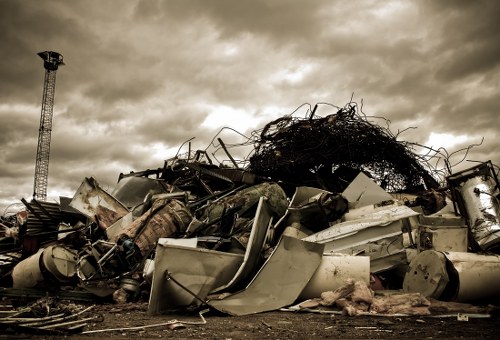 Our operational standards include on-site segregation to maximise the recyclable fraction during every bed collection. Drivers and technicians are trained to identify reusable components, document condition, and segregate materials in accordance with local transfer station requirements. We keep records of diversion rates and continually refine procedures to meet or exceed the 85% diversion ambition.
![A large collection of black plastic rubbish bags filled with waste is lined up along a curb on a paved urban street, with a concrete edge separating the sidewalk from the road. The bags are piled together, some appearing slightly deformed from their contents, and are placed against a backdrop of dense, green foliage and tall trees, suggesting a park or wooded area nearby. The scene is illuminated by natural daylight, highlighting the glossy surfaces of the bags and the vibrant green of the trees. This image relates to rubbish removal services provided by Bed Disposal in the area near [POSTCODE] and underscores the importance of proper waste collection and disposal to maintain cleanliness and environmental sustainability in local communities such as [TOWN].](/pub/_photos/rubbish/f1348730880.jpg) Transparency and measurable performance drive our sustainability programme. We publish annual statistics on mattress recycling and bed removal outcomes, including tonnes diverted, reuse placements with charities, and the percentage of materials recycled. Continuous improvement is embedded in our contracts and partnerships: audits, shared targets with transfer stations, and joint initiatives with borough waste teams ensure that our mattress recycling and furniture disposal activities support wider municipal sustainability objectives.
Transparency and measurable performance drive our sustainability programme. We publish annual statistics on mattress recycling and bed removal outcomes, including tonnes diverted, reuse placements with charities, and the percentage of materials recycled. Continuous improvement is embedded in our contracts and partnerships: audits, shared targets with transfer stations, and joint initiatives with borough waste teams ensure that our mattress recycling and furniture disposal activities support wider municipal sustainability objectives.
How our sustainable bed disposal model benefits the community
By integrating reuse, material segregation and strategic partnerships, our bed disposal operations reduce landfill dependency, create local circular supply chains and provide social value through donated beds and mattresses. Our approach is adaptive ??? matching borough-specific waste separation rules, working within transfer station capacities, and prioritising refurbishment over disposal.
Key actions we take
- Set a clear recycling percentage target: 85% diversion by 2030 through reuse and material recovery.
- Work with local transfer stations: shorter haulage, better sorting, faster processing.
- Partner with charities: safe reuse pathways for suitable beds and mattress recycling for end-of-life items.
- Operate low-carbon vans: electric and hybrid vehicles for urban collections to lower emissions.
Our commitment to sustainable bed recycling and responsible mattress disposal is practical and measurable. We continually collaborate with borough waste teams, transfer stations and charity partners to ensure that every bed collected is processed in the most sustainable way possible ??? whether that means reuse, repair, component recycling or clean recovery. Together, these efforts support a cleaner urban environment and more resilient local resource systems.