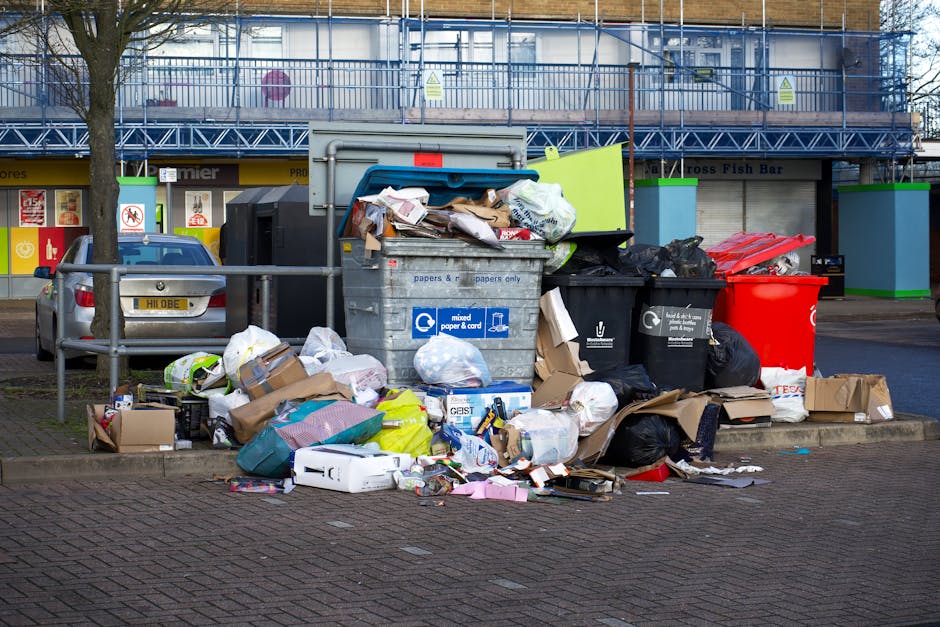
Spot hidden fees in rubbish quotes and how to avoid them

Rubbish removal quotes can look straightforward at first glance. Then the job gets booked, the team turns up, and suddenly the price is nudging higher because of "access issues", "extra weight", or "minimum load charges". Annoying? Absolutely. And usually avoidable.
If you want to spot hidden fees in rubbish quotes and how to avoid them, the good news is you do not need to be a pricing expert. You just need a clear checklist, a bit of healthy scepticism, and an understanding of how decent waste firms present their costs. In this guide, we'll walk through the warning signs, the questions to ask, and the simple habits that help you compare quotes properly, not just cheaply.
To keep things practical, we'll cover what hidden fees usually look like, how reputable providers structure quotes, and what to do before you commit. No waffle. Just useful advice you can act on today.
Why Spot hidden fees in rubbish quotes and how to avoid them Matters
Let's face it: a rubbish quote is rarely just about picking up a pile of waste. You are also paying for labour, transport, loading time, disposal, recycling, access, and sometimes specialist handling. That is normal. The problem starts when a quote looks like one price, but the final bill tells a different story.
Hidden fees matter because they can distort your decision-making. The cheapest quote on paper is not necessarily the cheapest job overall. If one provider seems GBP40 lower but later adds charges for stairs, parking, waiting time, heavier-than-expected waste, or card payment, the "deal" can turn into a headache. And nobody needs that on a Saturday morning when the front garden already looks like a scene from a skipped-up garage clear-out.
There's also a trust angle. A clear quote tells you a company understands its own process and is willing to explain it. Vague wording often means the opposite. In our experience, the best operators are the ones who make pricing feel boring in the best possible way. No drama, no surprises, just a clear explanation of what is and is not included.
That matters even more if you are comparing several companies. If you only compare headline prices, you may miss the small-print extras that change the whole picture. A careful review of the quote helps you make a smarter decision, avoid awkward disputes, and choose a provider with confidence.
Practical takeaway: the right question is not "What is the cheapest rubbish quote?" It is "What will I actually pay once the job is complete?"
How Spot hidden fees in rubbish quotes and how to avoid them Works
Most hidden fees appear because waste jobs are variable. A company may not know the full volume, weight, access conditions, or item type until closer to collection day. That uncertainty is understandable. What is not acceptable is when the quote leaves those uncertainties vague on purpose.
Here is how rubbish pricing commonly works in plain English:
- Base price - the starting cost for a standard load or collection.
- Volume or load size - how much space the waste takes up in a vehicle or container.
- Weight or heavy material charges - extra costs for dense waste such as soil, rubble, or mixed builders' waste.
- Access fees - possible extras for stairs, long carries, tight access, blocked driveways, or parking difficulties.
- Item-specific costs - charges for bulky, awkward, or specialist items.
- Disposal and recycling costs - what happens after collection, sometimes different depending on the waste stream.
- Optional add-ons - things like same-day collection, out-of-hours work, or waiting time.
A good quote should explain which of these are included and which are not. A weaker quote tends to say something like "from GBPX" and leave the rest to chance. That is where people get caught out.
The real skill is learning to ask the right follow-up questions. If a provider says the quote is based on a certain volume, ask what happens if the load is slightly larger. If access is tricky, ask whether there is an access charge and what triggers it. If parking might be an issue, ask whether that affects the final cost. Small questions, big difference.
You do not need to interrogate every company like a detective. But you should expect enough detail to compare offers on an equal basis. Otherwise you are comparing apples with pears, and sometimes with a mystery box from the back of the shed.
Key Benefits and Practical Advantages
Taking the time to check for hidden fees gives you more than just cost control. It changes the whole experience of booking rubbish removal.
1. You avoid budget surprises
The most obvious benefit is financial certainty. If you know the likely final price, you can plan properly and avoid uncomfortable decisions on the day. That is especially useful for house moves, landlord clearances, office clear-outs, or renovation work where every pound is already accounted for.
2. You compare providers more fairly
Clear pricing helps you compare like for like. One company might appear more expensive at first, but if it includes loading, fuel, disposal, and reasonable access allowances, it may actually be better value. A cheap quote with lots of exclusions can be the most expensive option by the end of it.
3. You reduce the risk of disputes
When the scope of work is understood before collection, there is less room for argument. That makes the day smoother for everyone. No awkward stand-offs at the kerb. No one wants that.
4. You get a better feel for professionalism
How a company explains its price often reflects how it works generally. If the quote is transparent, the communication is usually better too. That matters for punctuality, insurance, safety, and aftercare. If you want to understand a provider's broader standards, it can help to review their about us page and see how they describe their service and values.
5. You can choose the right service level
Once you understand the cost structure, you can decide whether you need a full-service collection, a lighter-touch pickup, or a different arrangement altogether. That is a smarter decision than just choosing the first number you see.
| What you see | What it may mean | What to check |
|---|---|---|
| "From GBPXX" | Entry price only | What is excluded? |
| "Subject to inspection" | Final cost may change | What might trigger an increase? |
| "Includes labour" | Loading is covered | How much labour time is included? |
| "Access charge may apply" | Site conditions matter | What counts as difficult access? |
| "Disposal fee included" | Tipping/recycling covered | Are all waste types included? |
Who This Is For and When It Makes Sense
This guidance is useful for almost anyone booking waste removal, but it is especially important if you are dealing with anything that is not a neat, predictable load. That includes messy clear-outs, bulky furniture, mixed waste, or jobs where access is a bit awkward.
You will likely benefit most if you are:
- a homeowner clearing a loft, garage, shed, or spare room;
- a tenant trying to remove items before moving out;
- a landlord or letting agent arranging a turnaround between tenancies;
- a builder or tradesperson managing mixed site waste;
- a small business clearing office furniture or packaging;
- someone comparing multiple rubbish removal quotes and feeling unsure which one is genuine value.
It also makes sense if you have never booked a rubbish collection before. First-time customers can be especially vulnerable to unclear pricing because they do not yet know which details matter most. A company may sound confident, but confidence alone does not equal clarity. Truth be told, a tidy quote sheet is more reassuring than a polished sales pitch.
If your job is small and straightforward, hidden fees may be less likely. But even then, it is worth checking for minimum charges, card payment fees, or "wasted journey" costs if the team cannot access the waste. A few minutes of checking can save a very real amount later.
Step-by-Step Guidance
Here is a practical way to spot hidden fees in rubbish quotes and reduce the chance of surprises. Keep this simple. You do not need a spreadsheet unless you really want one.
Step 1: Describe the waste properly
Be specific about what needs removing. Say whether it is furniture, black bags, garden waste, rubble, mattresses, electrical items, office furniture, or a mixed load. Mention quantities if you can, and be honest about awkward items. Vague descriptions lead to vague quotes. Not ideal.
Step 2: Share access details early
Tell the provider about stairs, narrow hallways, lift access, long driveways, parking restrictions, or anything else that could affect loading time. A quote that ignores access is not a quote you can trust fully.
Step 3: Ask what the quote includes
Do not assume. Ask whether the quote includes labour, fuel, loading, disposal, recycling, VAT if relevant, parking, and waiting time. If the company says "yes" to something important, ask for that in writing if possible.
Step 4: Ask what could change the price
This is the big one. Ask directly: "Under what circumstances would the final price be higher?" The answer should be clear and specific, not fuzzy. Good companies can explain this quickly.
Step 5: Check the wording for exclusions
Terms like "subject to assessment", "additional charges may apply", or "based on average load conditions" are not automatically bad. But they do mean you should ask what the assessment involves. If the answer is slippery, that is a warning sign.
Step 6: Compare the full picture, not just the headline figure
Line up several quotes and compare what each one includes. A slightly higher quote may be the better choice if it covers everything properly. To help with this, it is worth reviewing a provider's pricing and quotes information so you can understand how they present costs and what they expect customers to check.
Step 7: Confirm the final price before work starts
On the day, ask the team to confirm the price before loading begins. That one question can prevent a lot of tension later. If the final price is different from what you expected, pause and ask why.
Step 8: Keep the quote and any messages
Save emails, texts, or written notes. If there is a disagreement, documentation matters. Even a short message saying "collection includes loading and disposal, subject to the items described" can be very useful.
Expert Tips for Better Results
Here are the little things that tend to separate a smooth booking from a messy one.
Be exact about the waste mix
Mixed loads often cost more than single-type loads because sorting and disposal can be more complex. A quote based on "general rubbish" may not cover bricks, paint tins, plasterboard, mattresses, or electrical items. If there is a mix, say so plainly.
Watch for minimum load pricing
Some providers price by vehicle space and set a minimum charge. That is normal enough, but it is still worth asking whether a small job will trigger the same starting rate as a bigger one. If you only have a few items, a minimum charge can change the value equation completely.
Ask about time-based charges
If a team charges for waiting or extended labour, find out what counts as a delay. A five-minute chat at the door should not become a mystery fee. Slightly fiddly jobs happen, sure. But the rules should be explained beforehand.
Be careful with "all-in" claims
The phrase "all-inclusive" sounds reassuring, but it is only useful if it is actually defined. Ask what "all" means. Labour? Disposal? VAT? Access? Parking? If the answer is vague, keep asking. Politely, of course.
Use photos where possible
A quick set of photos can prevent a lot of quote drift. Take one from a distance and one or two close-ups. Show the access route too if it matters. A photo does not replace a proper discussion, but it often makes pricing more reliable.
Check safety and insurance posture
A quote is not just about price. A professional provider should also be able to show that they take safety seriously. If you are booking a removal job where heavy lifting, awkward access, or property protection matters, look at their insurance and safety information and make sure it feels sensible for the work involved.
Trust the slow answer
If a company takes a moment to explain pricing clearly, that is usually better than a fast, slippery promise. Quick answers are nice. Clear answers are better.
Common Mistakes to Avoid
Most hidden fee problems are not caused by complicated fraud. They usually happen because people are rushed, hopeful, or trying to keep the quote process as painless as possible. Understandable. Still, a few common mistakes come up again and again.
Choosing only on headline price
This is the classic one. The lowest quote looks attractive, so it wins. But if the job later needs extra labour, access charges, or disposal supplements, the end cost can climb. Compare the total likely cost, not just the starting figure.
Not describing the waste accurately
If you leave out a mattress, a sofa bed, bricks, or mixed construction waste, the quote may be built on the wrong assumption. That often leads to a revised price on arrival. Not a scam every time, but definitely avoidable.
Ignoring access issues
Stairs, parking, distance from vehicle to waste, and timing all matter. A collection from a basement flat in central London can be very different from a curbside pickup on a quiet road. The wrong assumption here can cost you.
Not asking about VAT or payment fees
Some quotes are presented before VAT or before card fees, depending on the business model. You need to know whether the price shown is the price you will pay. Ask directly. It saves the awkward moment later.
Assuming "free quote" means fixed price
A free quote is just a quote. It does not automatically mean a guaranteed final price. Ask whether the quote is fixed, estimated, or subject to inspection.
Skipping the terms and conditions
Yes, nobody loves reading terms and conditions. But the key parts often explain price changes, cancellations, minimum charges, and liability. You do not need to read every line, but you do need the sections that affect money and service.
Forgetting to ask about recycling or disposal differences
Some providers separate collection from disposal more clearly than others. If a quote mentions recycling or special handling, make sure you know whether that affects your price. You can also review a provider's recycling and sustainability approach if you want to understand how they think about waste handling more broadly.
Tools, Resources and Recommendations
You do not need fancy tools to avoid hidden charges. A few simple habits work well.
- Phone camera - take clear photos of the waste and access route.
- Notes app - jot down what the quote includes and any exclusions.
- Message thread - keep written confirmation where possible.
- Measuring tape - useful for bulky items, tight doorways, or stairwells.
- Basic checklist - even a paper list on the kitchen table can stop you forgetting a key detail.
If you are comparing services, it is also sensible to read the provider's core policy pages. They tell you a lot about how a company thinks and operates. For example, payment handling should be straightforward and secure, so a payment and security page can be a helpful sign that the business takes customer confidence seriously. Likewise, a transparent terms and conditions page can help you spot cancellation rules, extra charge triggers, and other practical details before you book.
And if you need to ask a direct question, use the company's contact us page. A quick conversation can clear up more than ten minutes of guesswork. To be fair, some quotes only make sense once you've spoken to a real person and explained the awkward bit properly.
Law, Compliance, Standards and Best Practice
Waste removal is not just a pricing issue. It also touches safety, handling, disposal, and responsible business practice. Without turning this into a legal lecture, there are a few sensible standards to keep in mind.
First, reputable operators should be able to explain how they handle waste responsibly and safely. If a provider is unclear about sorting, transport, or disposal, that is not a great sign. Second, if the job involves lifting heavy items, awkward access, or possible property damage, you should expect the company to treat health and safety seriously. A clear health and safety policy can tell you how they approach this side of the work.
Third, insurance matters. If a team is working inside your property or moving bulky waste through shared spaces, it is reasonable to expect appropriate cover and sensible working methods. A concise insurance and safety statement helps reassure customers that risk is being managed properly.
Finally, best practice means honesty in quoting. A good provider should describe any conditions that may affect the final price. That includes access, waste type, weight, time required, and special handling. If a company is proud of its process, it will usually say so openly rather than burying the awkward bits in tiny print.
There are also broader responsibility issues in the waste sector, including ethical sourcing and labour standards. If you value that sort of transparency, it is worth looking at the company's modern slavery statement as part of your wider trust check. It is not about price, strictly speaking, but it does speak to governance and seriousness.
Options, Methods, and Comparison Table
Different booking methods create different risks. The right one depends on how certain you are about the load and how complex the access is. Here is a simple comparison.
| Method | Best for | Hidden fee risk | What to check |
|---|---|---|---|
| Fixed quote after photos | Clear, visual jobs | Lower | What the photos cover and what changes the price |
| Estimated quote by phone | Simple removals | Medium | Whether access, weight, and item type were fully discussed |
| On-site assessment | Awkward or larger jobs | Lower if done properly | Whether the assessment is free and how final pricing is confirmed |
| Price "from" a website | Very early research | Higher | What the base price includes and what can add to it |
In practice, photo-based quotes often strike a good balance between convenience and clarity. They are not perfect, but they usually reduce misunderstandings. Phone estimates can work well too, as long as you are detailed. "From" pricing is fine as a starting point, but it should never be mistaken for the whole story.
If you are unsure, choose the method that gives the provider the most accurate picture of the job. A better picture usually means fewer surprises. Simple, really.
Case Study or Real-World Example
Here's a common scenario. A homeowner in a terraced house wants a mix of old shelving, a broken wardrobe, two mattresses, and a few bags of general rubbish removed. The first quote sounds brilliant because it is low and quick. But the fine print says the price assumes easy front access and a single item category.
After a bit of back-and-forth, the homeowner sends photos of the rear alley access, mentions the narrow stairwell, and explains that the load includes mattresses. The revised quote is a little higher, but it now clearly includes loading, disposal, and the extra handling needed for the mattresses. No surprise charges later. No awkward confrontation on the doorstep.
Could the homeowner have chosen the cheapest first quote? Maybe. But then there would have been a real chance of a higher bill once the job became clearer. In this case, a slightly more detailed quote saved time, stress, and probably a bit of pride too.
That is the pattern you will see again and again. Better information upfront usually gives you a more reliable price. And a reliable price is worth more than a tempting number with loose edges.
Practical Checklist
Use this checklist before you agree to any rubbish quote:
- Have I described the waste clearly and honestly?
- Have I mentioned access issues, stairs, parking, and distance?
- Do I know whether the quote includes labour, loading, disposal, and fuel?
- Have I asked what could increase the final price?
- Do I know whether VAT, card fees, or minimum charges apply?
- Is the quote fixed, estimated, or subject to inspection?
- Have I kept a written copy of the quote or key messages?
- Have I checked the provider's terms and conditions?
- Do I understand the provider's safety and insurance approach?
- Am I comparing total value, not just the headline figure?
If you can tick most of those boxes, you are in a much stronger position. Not perfect, maybe, but strong enough to avoid the usual traps.
Conclusion
Spotting hidden fees in rubbish quotes is mostly about clarity, not luck. When you describe the job properly, ask direct questions, and compare the full cost rather than the headline price, you cut out most of the nastiness before it starts. That is good for your budget, your time, and your peace of mind.
The best quote is not always the cheapest. It is the one that explains itself clearly, sets expectations honestly, and leaves you with no nasty little surprises when the van pulls away and the driveway finally looks clean again.
If you remember one thing, let it be this: good rubbish quotes are specific, transparent, and easy to question. If a quote feels vague, it probably is.
Get a free quote today and see how much you can save.
Frequently Asked Questions
How do I know if a rubbish quote has hidden fees?
Look for vague wording, "from" prices, unclear exclusions, or phrases like "subject to assessment" without explanation. A good quote states what is included and what might cost extra.
What questions should I ask before accepting a rubbish quote?
Ask what the quote includes, what could change the price, whether VAT or card fees apply, and whether access issues or heavy items affect the final cost.
Is the cheapest rubbish quote usually the best?
Not necessarily. The cheapest headline price can become the most expensive overall if the provider adds fees for access, labour, disposal, or waiting time.
Should a rubbish removal quote be fixed?
For clear jobs, a fixed quote is often best. For unclear or awkward jobs, an estimate may be more realistic, but the provider should explain how the price may change.
Do photos help reduce extra charges?
Yes. Photos help the provider assess volume, waste type, and access, which usually leads to a more accurate quote and fewer surprises on the day.
Can access issues affect the price?
Yes. Stairs, long carries, limited parking, and narrow entrances can increase labour time or complexity, so they may affect the final cost if not covered in the quote.
Are VAT and card fees sometimes left out of rubbish quotes?
They can be, depending on the business. Always ask whether the price shown is fully inclusive so you know what you will actually pay.
What is a minimum charge in rubbish removal?
A minimum charge is the lowest price a provider will accept for a job, even if the load is small. It is common and not automatically bad, but it should be made clear upfront.
How can I compare two rubbish quotes fairly?
Compare the total likely cost, not just the starting number. Check what each quote includes, what could trigger extra charges, and whether the service level is actually the same.
What should I do if the price changes on arrival?
Ask for a clear explanation before the work starts. If the change was not covered in the original quote, you can pause and decide whether to proceed.
Do I need to read the terms and conditions?
At least the parts about pricing, cancellations, access, and liability. Those sections often explain the exact situations where extra fees may apply.
Why does safety matter when checking rubbish quotes?
Because lifting, loading, and moving waste can involve real risks. A professional provider should have sensible safety and insurance arrangements, especially for heavier or awkward jobs.
Choosing carefully is a small effort that pays off in a big way. And honestly, once you have done it once or twice, you start spotting the dodgy quotes almost straight away.