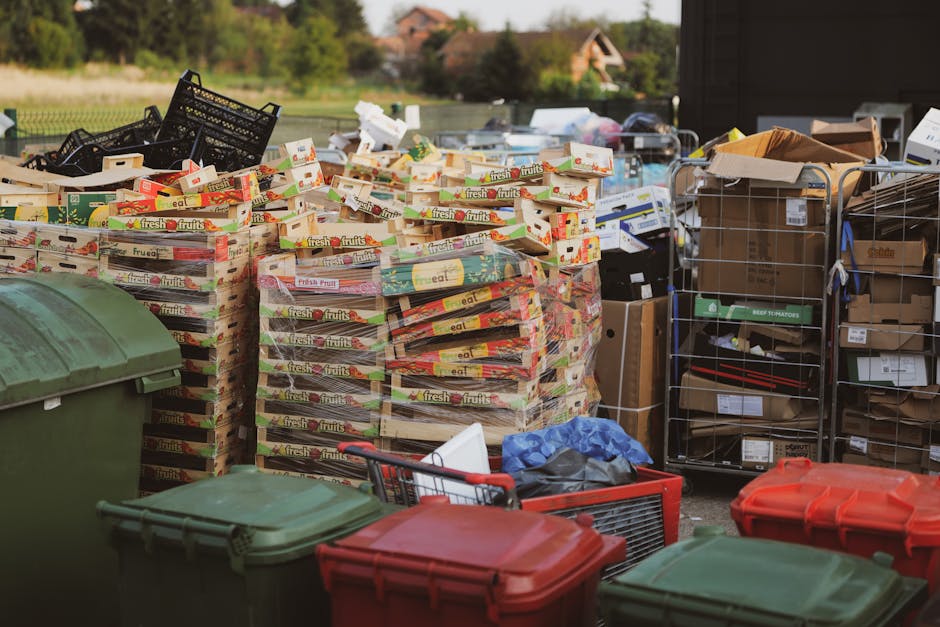
Top mistakes that delay bulky waste collections
If you have ever booked a bulky waste pickup and then watched the day slide by with no collection, you already know how frustrating it feels. A sofa sits in the hallway. The old mattress is leaning against the wall. The skip replacement plan sounded simple at first, then suddenly it didn't. The truth is, most delays are avoidable. The top mistakes that delay bulky waste collections are usually small things: poor preparation, unclear access, the wrong item list, or a booking that was made without checking the fine detail.
This guide breaks those mistakes down in plain English. You'll see what actually slows a collection down, how the process works, what to do before the truck arrives, and how to avoid the little oversights that turn a straightforward job into a headache. If you're arranging a bulky waste collection for the first time, or you've had a collection delayed before, this should save you time, stress, and a few awkward phone calls.
Let's face it, nobody wants an overflowing front garden or a staircase blocked by a wardrobe for another week.
Table of Contents
- Why these delays matter
- How bulky waste collection works
- Key benefits of getting it right first time
- Who this is for
- Step-by-step guidance
- Expert tips that prevent delays
- Common mistakes to avoid
- Tools, resources and recommendations
- Law, compliance and best practice
- Options and comparison
- Real-world example
- Practical checklist
- Conclusion
- Frequently asked questions
Why Top mistakes that delay bulky waste collections Matters
A delayed bulky waste pickup is not just inconvenient. It can hold up a move-out, make a room unusable, and create extra clutter that affects the whole property. In a flat, one missed collection can mean an awkward stairwell and a complaint from the neighbours. In a house, it can mean the driveway stays blocked longer than planned. For businesses, a delayed collection can spill into customer areas or staff walkways, which nobody wants.
There's also the ripple effect. If a collection is refused because items were not prepared correctly, you may have to rebook, wait for another slot, or spend extra time sorting the load into something acceptable. That's why understanding the top mistakes that delay bulky waste collections matters so much: it helps you get the job done once, cleanly, and without unnecessary back-and-forth.
In our experience, the delays that cause the most annoyance are rarely dramatic. They're usually ordinary things that were rushed. A mattress left wrapped in plastic when the crew expected it unwrapped. A booking made without confirming access. A settee listed as one item, then turned out to have hidden components and mixed materials. Small stuff, but it matters.
How Top mistakes that delay bulky waste collections Works
Bulky waste collection is fairly simple on paper. You identify the items, book a collection, prepare the waste, make sure the crew can reach it, and then the items are removed for disposal, reuse, or recycling depending on the service and material type. The process becomes slower when any one of those steps is unclear.
Most collections follow the same broad pattern:
- You check which items are allowed.
- You book a date or request a pickup slot.
- You place the items where they can be safely collected.
- The crew arrives and assesses access, item type, and load safety.
- The items are removed if everything matches the booking terms.
Delays happen when there's a mismatch between the booking and the reality on the day. Maybe the items are too heavy, too many, or in the wrong place. Maybe the access route is blocked by cars, bins, or a locked gate. Maybe there's a misunderstanding about what counts as bulky waste versus general rubbish. That mismatch is the real issue behind most holdups.
If you are using a council service, the rules may be stricter about what can be taken and how items should be presented. If you choose a private service, the process can be more flexible, but there still needs to be clarity. A good way to think about it: the crew is not there to guess. The clearer you are before collection day, the smoother things go.
Key Benefits and Practical Advantages
Getting bulky waste collection right first time has a few very real advantages. The obvious one is speed. The less obvious one is calm. You're not stuck wondering whether the crew will return, whether the item is acceptable, or whether you'll have to drag a sofa back inside. That alone is worth a bit of preparation.
- Less waiting: Proper prep reduces the chance of refusal or rescheduling.
- Lower disruption: Hallways, driveways, and loading areas are cleared sooner.
- Better value: You avoid paying twice for the same job.
- Safer handling: Heavy or awkward items are easier to move when planned properly.
- Cleaner outcome: Items are more likely to be sorted for reuse or recycling if the service can process them efficiently.
There is also a practical benefit people don't always think about: timing. A delayed collection can throw off a whole day, especially if you've arranged decorators, cleaners, estate agents, or movers. A simple item removal can become the one thing that ruins the schedule. Not dramatic, but irritating in a very real way.
Expert summary: The fastest way to avoid bulky waste delays is to treat the booking like a small logistics job: confirm the items, clear the route, check access, and leave nothing ambiguous.
Who This Is For and When It Makes Sense
This advice is useful for homeowners, tenants, landlords, letting agents, office managers, shop owners, and anyone clearing out larger items. It is especially useful if you are dealing with furniture, mattresses, white goods, garden waste, or mixed household items that do not fit in normal bins.
It also makes sense if:
- you are clearing a property before a move;
- you have renovation waste sitting in the way;
- you are replacing old furniture or appliances;
- you need a fast turnaround before cleaners or decorators arrive;
- you are comparing council collection with a private bulky waste service.
For example, a family doing a weekend room refresh may only need one sofa gone. A landlord may need several items removed between tenancies. A business might need office furniture out before new stock or desks arrive. Different situations, same basic issue: if the items are not ready, the collection slows down.
If you're in London or another busy urban area, access can be the real deciding factor. Narrow roads, controlled parking, flats above street level, and shared entrances all add a few moving parts. Nothing impossible, just more to think about. And yes, it does matter.
Step-by-Step Guidance
1. Confirm exactly what needs collecting
Start with a proper list. Not "a few bits of furniture." Be specific. Write down each item, the quantity, and any awkward features such as fixed glass, built-in mechanisms, or water damage. If an item is too large for one person to lift safely, mention that too.
Misdescribing the load is one of the biggest causes of delay. A crew arriving for two chairs is not the same as a crew arriving for two wardrobes, a broken bed base, and a fridge.
2. Check whether the items are accepted
Some services take most household bulky waste, while others exclude certain materials or require special handling for electrical items. A fridge, for example, is not the same as a sofa. If you're dealing with mixed items, check whether they need separate handling. That small check can prevent an awkward no-collection situation on the day.
Where relevant, look at related services such as sofa collection, mattress collection, or fridge disposal if your waste is item-specific.
3. Make access simple
Clear the path from where the item is stored to the collection point. Move parked cars if needed. Unlock gates. Check for low branches, narrow hallways, or a lift that is not working. If the crew can't reach the item safely, the job can stall fast.
Here's a small real-world detail people overlook all the time: bins left in the wrong spot. One wheelie bin blocking a shared passage can turn a five-minute load into a ten-minute puzzle. Tiny thing, big nuisance.
4. Present the waste correctly
Some collections expect items to be outside, neatly grouped, and ready to lift. Others can collect from inside the property, but only if that has been arranged in advance. Don't assume. Confirm. Stack items in a way that keeps them stable and easy to identify. Remove loose rubbish from drawers and cupboards if those parts are being collected separately.
5. Keep dangerous or prohibited items apart
Do not mix hazardous materials into a general bulky waste pile. Paints, solvents, gas canisters, sharp medical items, and similar materials may need special handling. If you are unsure, ask before collection day. A sensible service will be clear about what it can and cannot remove.
6. Be ready at the agreed time
This sounds obvious, but it matters. Collection windows are often tight, and missed access can mean a reschedule. If a gate code, concierge sign-in, or parking restriction is involved, make sure the person collecting knows before they arrive.
7. Keep communication open
If anything changes, say so early. Added items, delayed access, or a last-minute change of location is much easier to handle before the crew is already at the door. Truth be told, a quick message in the morning can save an entire afternoon of stress.
Expert Tips for Better Results
Most delays are preventable with a few habits that seem minor but make a proper difference.
- Take a photo of the items before booking. It helps if you need to explain size, condition, or access.
- Measure doorways and stair turns. Especially useful for wardrobes, beds, and bulky office furniture.
- Group items by type. Keep furniture separate from general rubbish and electricals if possible.
- Label anything that needs special handling. A simple note can avoid confusion.
- Check parking before the collection day. In city streets, this can be the difference between a smooth pickup and a slow one.
- Tell the service about flats, basements, or upper floors. Stairs change the job, plain and simple.
One useful habit is to think like the person doing the lifting. What would make the job awkward? What would slow them down? What would create a safety risk? Once you look at it that way, the likely mistakes become much easier to spot.
And a small one, but worth saying: don't leave "a quick tidy" until collection morning. That is how people end up pulling chairs out from behind bikes at 8:10 a.m. while half awake and muttering to themselves. Not ideal.
Common Mistakes to Avoid
This is the heart of the matter. If you want to avoid delays, watch out for these mistakes in particular.
1. Giving vague item details
"A few bits" is not enough. If the booking is based on an incomplete list, the crew may arrive unprepared or reject items that were not declared. Describe what's there, not what you hope is there.
2. Blocking the access route
Locked gates, parked cars, cords, bins, and cluttered hallways all slow things down. The crew may not be able to enter, or they may need extra time to move things before they can start. That extra time isn't always available.
3. Mixing accepted and non-accepted waste
Bulky waste is not a catch-all for everything in the garage. If you add restricted materials to the pile, the whole collection can be delayed or partially refused.
4. Forgetting about heavy or awkward items
Some pieces are technically "one item" but behave like three. Think old sofas with solid frames, broken wardrobes, or exercise equipment with metal parts. If the crew wasn't told, they may not bring the right support.
5. Missing parking or access restrictions
In many London streets, parking is the hidden problem. If the vehicle cannot stop close enough, loading takes longer. If a permit or loading bay is needed, that should be sorted before the day arrives.
6. Leaving the items in the wrong place
If the collection is kerbside, the items need to be where they can be collected safely. If the service is inside pickup, the crew needs that confirmed in advance. Misunderstanding this one detail is a classic reason for delays.
7. Booking too late
Waiting until the last minute is risky, especially if you are working around a move or refurbishment. Limited slots, busy periods, and building access rules all make late bookings harder. Sometimes the delay begins before the booking is even made.
8. Not checking who is responsible
In flats, shared houses, and commercial buildings, it can be unclear who booked the collection and who is meant to prepare the items. That handoff gap causes confusion. One person assumes someone else did the prep. Nobody did. Happens all the time.
Tools, Resources and Recommendations
You do not need fancy tools, but a small bit of preparation goes a long way.
- Measuring tape: Useful for checking item size, door widths, and stair turns.
- Phone camera: Take photos of the load and the access route if needed.
- Notepad or phone checklist: Keep a simple list of items and any special instructions.
- Labels or masking tape: Handy for marking what stays, what goes, and what needs separate treatment.
- Work gloves and sturdy shoes: Useful if you need to move light items before the collection.
It also helps to read the service pages carefully before booking. For broader jobs, waste collection and waste removal may suit mixed loads, while furniture-specific jobs may be better matched to furniture clearance or furniture disposal. Choosing the right service from the start avoids confusion later.
If you are dealing with a larger clear-out, it may also be worth looking at home clearance or house clearance if the job goes beyond one or two bulky items. It's just cleaner planning, really.
Law, Compliance, Standards, or Best Practice
For most readers, the main issue is not legal complexity but practical responsibility. Waste should be handled safely and passed to a legitimate service that can deal with it properly. If you are arranging collection for a business or landlord property, keeping records, describing the waste accurately, and using an insured provider are sensible best practices.
Where there are electrical items, heavy furniture, or mixed waste, handling standards matter. Items should be moved in a way that avoids injury, protects the building, and reduces the chance of damage. That means proper lifting, clear access, and honest descriptions of what's being collected.
If you're not sure whether something qualifies as bulky waste or needs a separate route, ask before the booking goes ahead. That may sound basic, but it prevents the kind of misunderstanding that causes refusal on the day. Safety first, paperwork second, grumbling third.
For peace of mind, you may also want to review related policy pages such as health and safety policy and insurance and safety if you need reassurance about how the work is handled. Those details matter more than people think, especially in shared buildings or tight access spaces.
Options, Methods, or Comparison Table
There are usually two broad ways to deal with bulky waste: use a council-style collection or use a private waste removal service. Neither is automatically better. It depends on timing, item type, access, and how much flexibility you need.
| Option | Best for | Typical strength | Common delay risk |
|---|---|---|---|
| Council large item collection | Simple household items and planned pickups | Often suitable for standard waste at a lower overall hassle if timing works | Limited dates, stricter item rules, slower turnaround |
| Private bulky waste service | Faster clearances, awkward access, mixed loads | More flexibility and often easier scheduling | Delays if items are not described properly or access is unclear |
| Full clearance service | Whole rooms, homes, or larger property clear-outs | Good when the job is bigger than a simple pickup | Confusion if the scope is not agreed in advance |
If your main concern is avoiding delays, the private option often gives you more control, but only if you provide accurate details. A council route can work well too, especially for straightforward items, but it may be less forgiving if access or item type changes. In other words, the best option is the one that matches the job you actually have, not the one you wish you had.
Case Study or Real-World Example
A typical example: a couple clearing a one-bedroom flat in a busy part of London booked a bulky pickup for a sofa, a mattress, and a dismantled wardrobe. On paper, easy enough. But the collection was delayed because the sofa was still in the lounge, the wardrobe screws were loose in a box, and the building's front gate code had not been shared. The collection crew arrived, waited, and then had to reschedule because the access route was not ready.
When they tried again, they did three things differently. They moved the items to the ground floor the night before, sent a photo of each item, and shared the access code in advance. The second collection was smooth. No drama, no chasing, no back-and-forth. Just a sensible handover and the rubbish gone by lunchtime.
That's the pattern you see again and again. The first attempt fails because the job was treated like a quick errand. The second succeeds because it was treated like a simple logistical task. Not complicated. Just a bit more careful.
Practical Checklist
Use this before collection day.
- List every item clearly.
- Check that each item is accepted.
- Measure the access route if the item is large.
- Clear hallways, driveways, gates, and parking spaces where possible.
- Separate bulky waste from hazardous or restricted materials.
- Confirm whether items need to be outside or can be collected inside.
- Share gate codes, parking notes, or building instructions early.
- Take photos of the items and the route if needed.
- Keep someone available at the agreed time.
- Recheck the booking details the day before.
Quick rule of thumb: if you think something might cause confusion, mention it. It is almost always better to over-explain a little than to leave a gap and hope the crew guesses right.
Conclusion
The top mistakes that delay bulky waste collections are usually simple, preventable, and a bit boring honestly: poor item descriptions, blocked access, unclear booking notes, and last-minute panic. But those small details are exactly what decide whether a collection is quick and painless or messy and delayed.
If you plan ahead, confirm the item list, prepare the access route, and choose the right service for the job, you give yourself the best chance of a clean pickup first time. That's the real goal here. Not perfection. Just a calm, tidy, no-surprises collection day.
Get a free quote today and see how much you can save.
And if you've ever had a sofa stuck in the hallway while everyone stood around pretending it would somehow move itself, you'll know why this matters.
Frequently Asked Questions
What usually causes bulky waste collections to be delayed?
The most common causes are vague item details, blocked access, incorrect booking information, and mixing in items that the service does not accept. In many cases, the delay starts with a small detail that seemed harmless at the time.
Do I need to dismantle furniture before collection?
Not always, but it often helps. Large wardrobes, beds, and some tables are easier to handle when broken down. If dismantling is required, check the service rules first so you do not create extra work for yourself.
Can I leave bulky waste on the pavement outside my home?
Only if that is allowed by the service and local rules. Some collections require items to be placed outside, while others collect from inside or from a specific agreed point. Do not assume pavement placement is fine without checking.
Why was my bulky waste refused on the day?
Refusals usually happen because the load did not match the booking, access was not available, or restricted items were included. Sometimes the issue is as simple as the crew not being able to safely reach the waste.
How do I know whether an item counts as bulky waste?
If it is too large for normal household bins and needs separate handling, it usually falls into bulky waste territory. Furniture, mattresses, and larger appliances are common examples. If you are unsure, ask before booking.
Is council large item collection better than private removal?
It depends on your priorities. Council collection can work well for straightforward jobs, but it may have fewer dates and stricter rules. Private services are often quicker and more flexible, especially where access is tricky.
What should I do if I live in a flat with shared access?
Tell the service about the stairs, lifts, entry codes, and any shared doors or concierge requirements. Flats often cause delays because access is more complicated than a standard front door pickup.
Can bulky waste collections take white goods like fridges or freezers?
Sometimes, but these items often need separate handling because of the materials and components involved. Check the service terms before booking, especially for appliances that may require special treatment.
How far in advance should I book a bulky waste pickup?
As early as you can, especially if you need a specific day or are working around a move, renovation, or tenancy change. Last-minute bookings are where delays tend to creep in.
What documents or details should I have ready before booking?
Have your item list, photos if possible, access details, parking notes, and any building instructions ready. If it is a business or managed property, it can also help to know who is responsible for access on the day.
How can I reduce the chance of a failed collection?
Give accurate item descriptions, clear the access route, keep restricted waste separate, and confirm the collection window the day before. That combination solves most avoidable issues. Simple, but effective.
Is there a difference between bulky waste collection and general rubbish removal?
Yes. Bulky waste usually means larger items that cannot go in normal bins, while general rubbish removal may cover mixed waste or smaller loose items. Using the right service for the load helps prevent confusion and delay.
What if I need a full property clearance instead?
If the job is more than a few large items, a clearance service may be a better fit. For example, a full flat, loft, garage, or house clearance is often easier to manage as one coordinated job rather than a series of separate pickups.
When the day comes, a little preparation really does go a long way. Get the details right, and the rest is usually straightforward enough.